Wine For Days
We have a carefully curated collection of wines & liquors suitable for every occasion and palate - guaranteed.

We’re Nerds
Our team is accredited by WSET, a globally recognized qualification for wine professionals and enthusiasts.

Get It Delivered
Can you believe all orders over $250 get free delivery? That’s just one of the ways we go a “cork” above our competitors.
New Products

Delamotte Champagne Blanc de Blancs N/V

Casa Rojo 'Minami 2' Murcia 2021

Fishwives Club Chardonnay 2024

Fishwives Club Sauvignon Blanc 2024

Fishwives Club Merlot 2022

Delamotte Champagne Brut N/V

Château Ormes de Pez 2020

Delamotte Champagne Blanc de Blancs Vintage 2018

Delamotte Champagne Brut N/V (1.5L)

Santa Margherita Prosecco Superiore DOCG (1.5L)

Alpasión Sauvignon Blanc 2023

Salon Cuvée S 'Le Mesnil' Blanc de Blancs Champagne (1.5L) 2015

Dewar's 12 YO 'The Ancestor' Whisky (1L)

Lagavulin 13 Year Old 'Feis Ile' 2021 Single Malt


Kyro Malt Oloroso Single Malt Whisky

Isle of Raasay Single Malt

Isle of Raasay 'Distillery of the Year Release' Single Malt

Lagavulin Distillers Edition Single Malt with Gift Box

Lagavulin 8 YO Single Malt

Oban 14 YO Single Malt

Kyrö Wood Smoke Malt Whisky (Finland)

Glayva Tangerine & Spiced Whisky Liqueur

Grey Goose Berry Rouge (750ml)
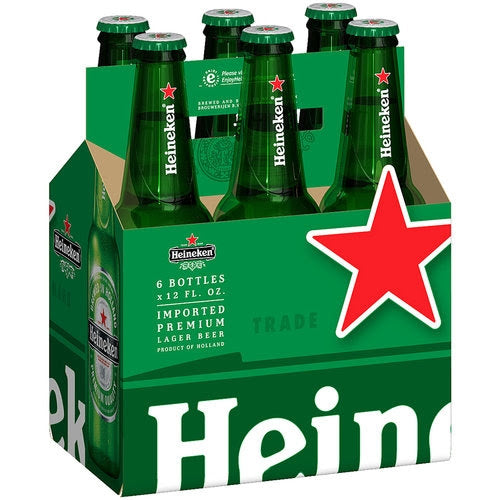
Heineken 6-pack (bottles)

Heineken CASE (4 x 6-Pack Bottles)
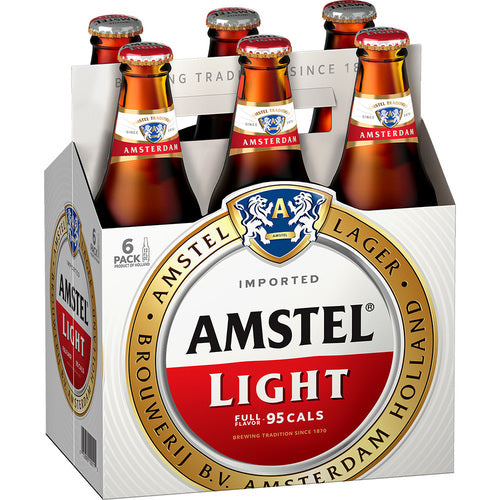
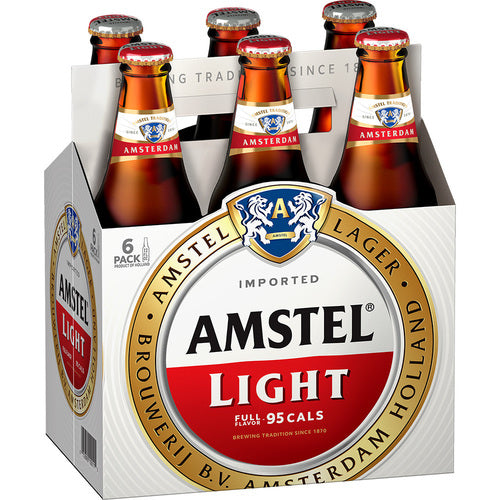
Amstel Light CASE (4x6 Packs)

Heineken 0.0 Non-Alcoholic (Casex24) Cans
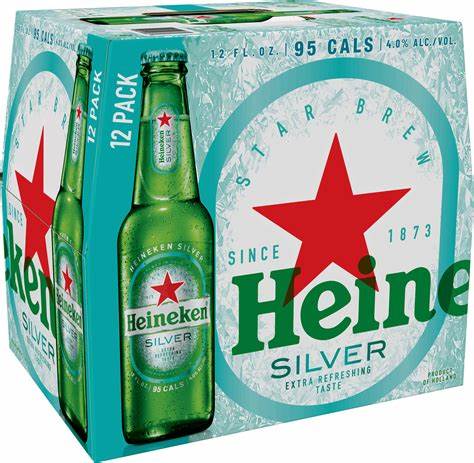
Heineken Silver ( Case ) bottles

Samuel Adams Boston Lager (CASE) bottles

Coors Light (CASE) Cans
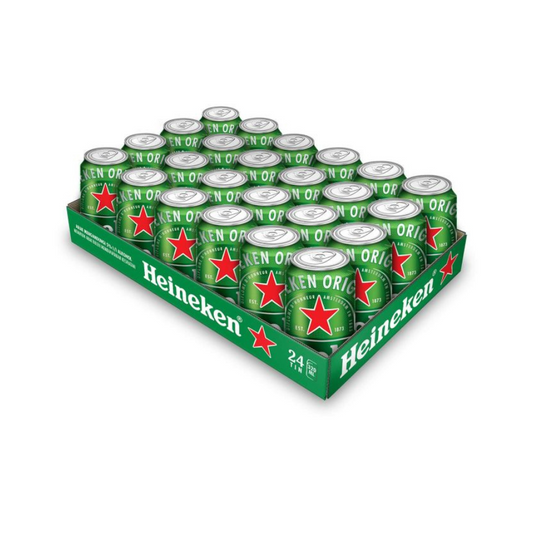
Heineken CASE (4 x 6-pack CANS)
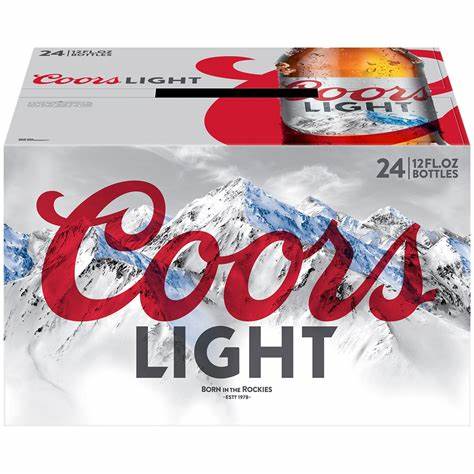
Coors Light (CASE) bottles

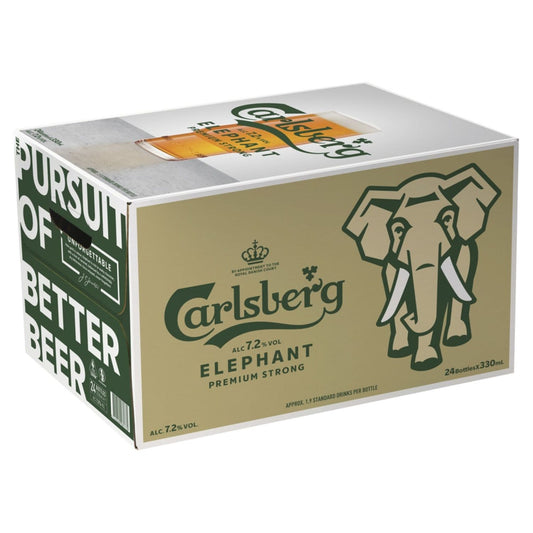
Carlsberg Elephant (CASE 4x6-Pack)
Wine Club
Ever wished wine would magically appear at your doorstep once a month? We’ve got great news.
Gifting Options
Whether it's your best friend's birthday or your least favourite co-worker's retirement, we've got something for you.

Tastings & Events
We’re partnering with your favourite bars and restaurants to bring you intimate tastings & classes all year round.
CURATED BY DWS
Cool Collections
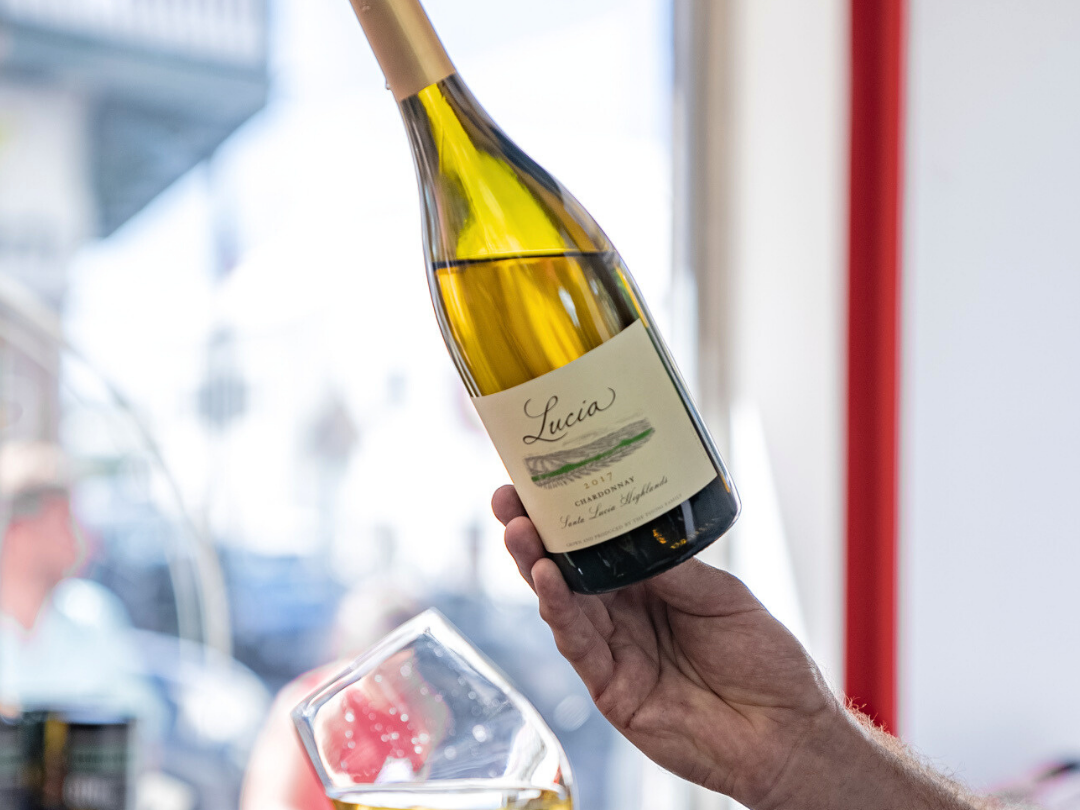
CURATED BY DWS
Cool Collections
Hand-picked by our wine & liquor experts, for your browsing pleasure.

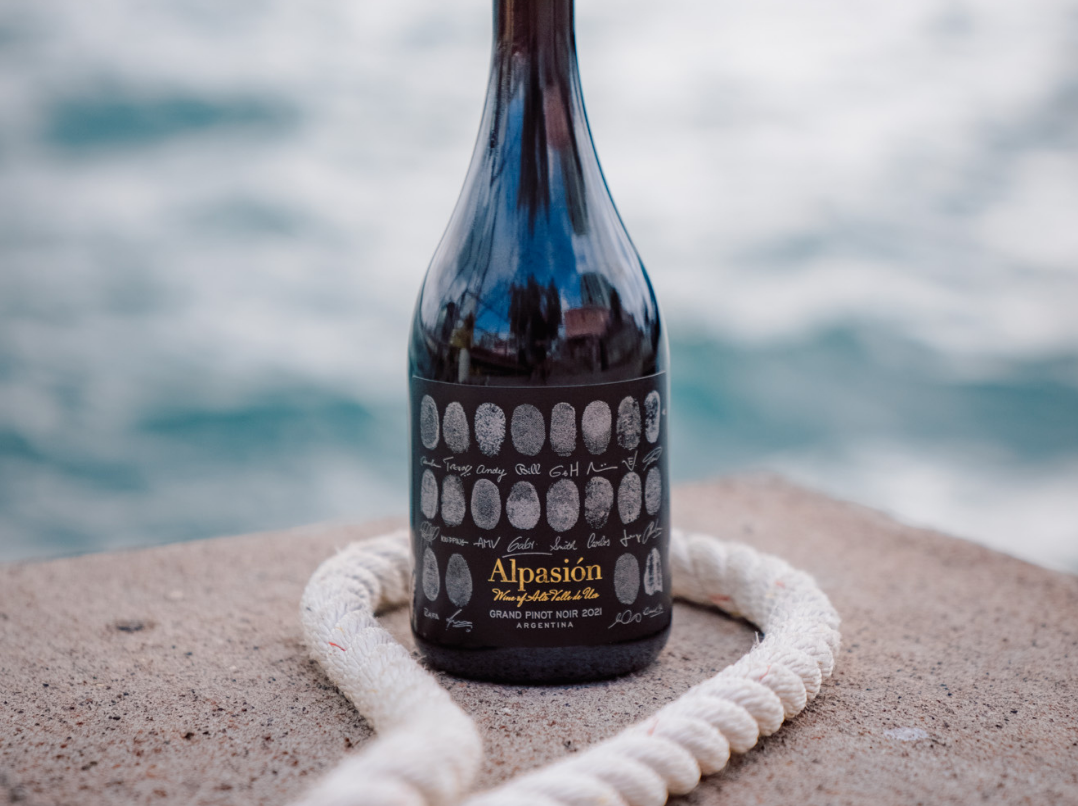
Wines our Wine Club members raved about from recent deliveries!

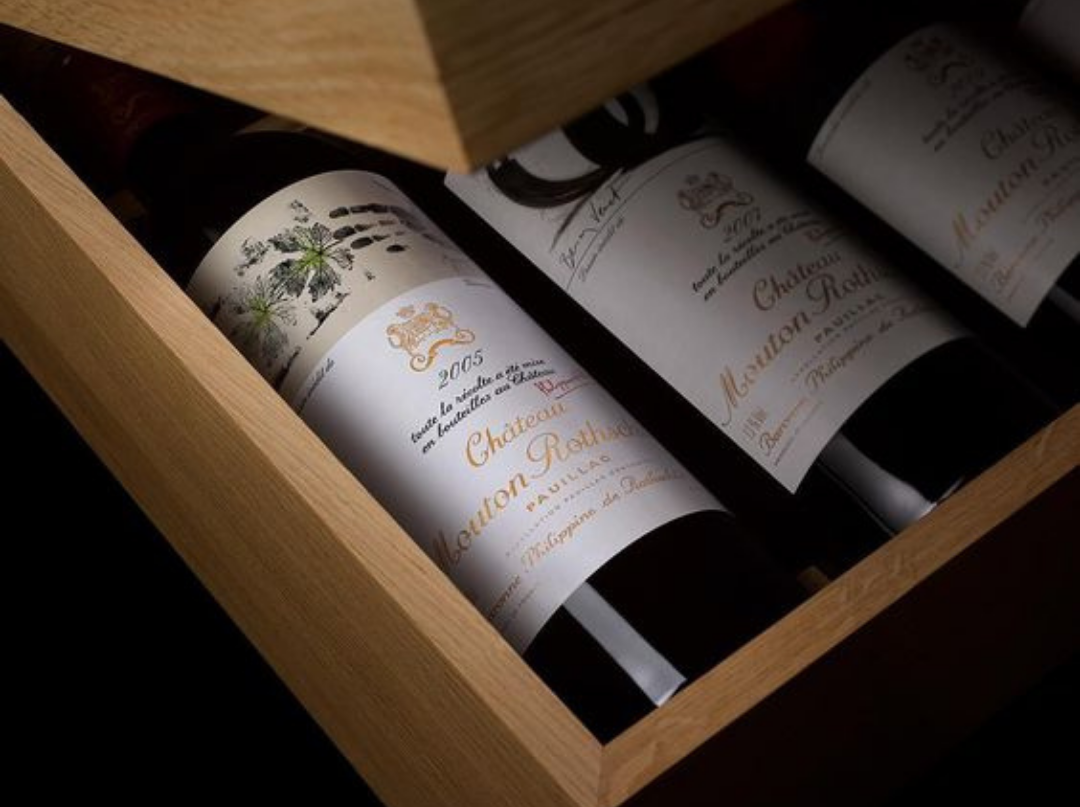
Wines our experts would collect in their own cellars if they had the space. (See also: special occasion wines to age before enjoying.)

Customer Reviews
Joining the Discovery Wine Club has been a game-changer for me. The curated selections are consistently outstanding, and the personalized service is beyond compare. It's not just about receiving great wines; it's about being part of a community that shares my passion.
The staff's recommendations were spot-on, showcasing their expertise and passion for their products. I appreciated the attention to detail and the personalized service I received.
The curated gin selections are a perfect blend of uniqueness and quality. The personalized service and swift deliveries make it a delightful experience every time.
The monthly wine selections you send are nothing short of exceptional, and the accompanying tasting notes add a wonderful dimension to the experience.
From the moment I walked in, the atmosphere was inviting, and the staff was incredibly helpful and knowledgeable. What truly impressed me was the extensive and curated selection of wines and spirits. Your store had exactly what I was looking for, and even some delightful surprises I didn't know I needed!
The monthly gin selections we receive, along with the detailed tasting notes, have truly elevated my appreciation for fine spirits. Each delivery feels like a carefully curated surprise, and I find myself eagerly anticipating the next one.